
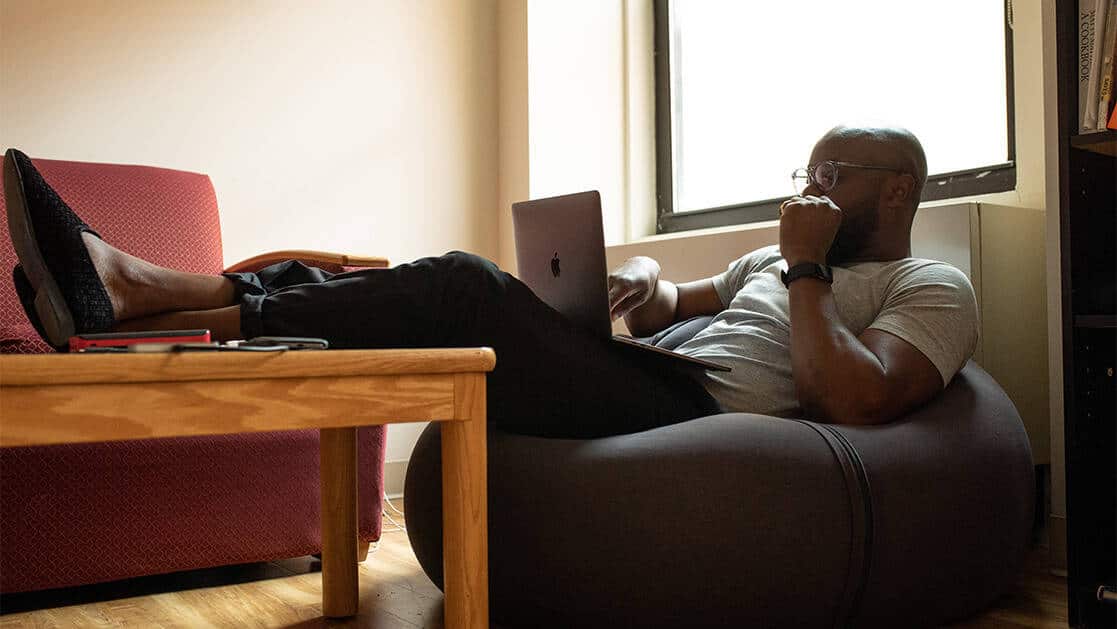
When you work in the same physical space where you eat, sleep and watch Netflix, finding the right balance between work and everyday life can be a challenge. Too often, the boundaries begin to blur, and we find ourselves torn between the two.
Whether you’re in the field of marketing, web design, or costume-making, it’s not unusual to find yourself working until later than planned or replying to emails at an unseemly hour. The question is: How can we maintain a healthy balance between our professional and personal lives? How can we continue to develop our careers while fully tending to ourselves, our families, and our loved ones?
The path to a good work-life balance may be long and twisted, but the following work-life balance tips can help you achieve your goals.
Set a structured work schedule.
To maximize your productivity and workday while working remotely, it is imperative that you set a coherent schedule to guide you through the day. Since working from home can be more comfortable and relaxing compared to being in the office, imposing a structure on your day will reduce distractions and keep you focused on the tasks at hand.
Have separate areas for work and play.
It is recommended that you have a dedicated workspace to help you stay focused when working remotely, but this is just as important when the workday is over. Having separate areas for work and play also makes it easier to move mentally from work to home mode. If you live in a one-room apartment, you can still create a dedicated area for a variety of activities. More important than having walls that separate each area is the function you assign to them in your mind.
Make post-work plans.
Even with a strict work schedule, it’s all too easy to find yourself caught up in your work and working extra hours. It’s not always easy to know when to let go and continue tomorrow. Making plans for the end of your working day can be a good solution to this. Unless there is a task that needs to be completed today, deciding on a specific time plan can help you move from work mode to you mode. Whether you’re planning to meet your friends, attend a yoga class, or try a new hobby, focusing on personal time can also be crucial to your overall well-being and help bring about a positive work-life balance.
Eat a proper lunch.
While eating snacks all day while a step away from your refrigerator sounds amazing, it doesn’t do anything to boost your productivity or work-life balance while you work from home. At work, we may be more forced to take a lunch break when our colleagues remind us—it doesn’t happen at home. Make sure you set aside time for a proper break in your day. Set a calendar reminder or phone alarm. It’s even better to have a virtual lunch break with your team so that you can connect with each other and enjoy some time away from work.
Drop the shame and embarrassment of interruptions.
Don’t worry about your family members or pets appearing as uninvited guests on your phone calls. It’s one less thing to stress about, and it’s often fun to watch.
Don’t use your work computer during your free time.
Just like having different areas for work and personal life, it’s important to separate your work tools from your leisure tools. The most obvious example is your laptop. Some people have two laptops instead of one: one for work and another for personal use that doesn’t have access to business correspondence or work tools.
Get dressed for work.
You may not be leaving the house, but that doesn’t mean you should stay in your pajamas all day. Switching from home clothes to work clothes can help you make a mental shift into work mode. There’s no need to wear a three-piece suit—or even shoes—but preparing yourself physically for the day ahead can also prepare you mentally. Treat your home office as a real working environment. Once your workday is over, try changing your clothes again to clearly mark the transition from work time to personal time.
Use organization tools to increase your productivity.
Use organizational tools like Google Calendar, Asana, or similar apps to block specific periods of your workday and increase productivity. While working from home, many teams rely on conference calls to ensure deadlines are met and communication stays on track. You can also use the gaps in your calendar to make sure you’re staying productive and completing your work.
Build transitions into and out of work.
Your commute not only takes you to and from work, but also gives your brain time to prepare for the day and decompress afterward. Just because you don’t have that commute doesn’t mean you shouldn’t have the same transition. Give your brain time to ease into work and then unwind at the end of the day. Create a routine that serves as a buffer between work and personal life.
Mark the end of the day.
Schedule some time to celebrate the end of your working day with your loved ones or roommates by doing one or two enjoyable activities together. You made it through another productive day. Ending your workday with a positive routine helps reinforce the boundary between work and personal life while giving you something to look forward to.